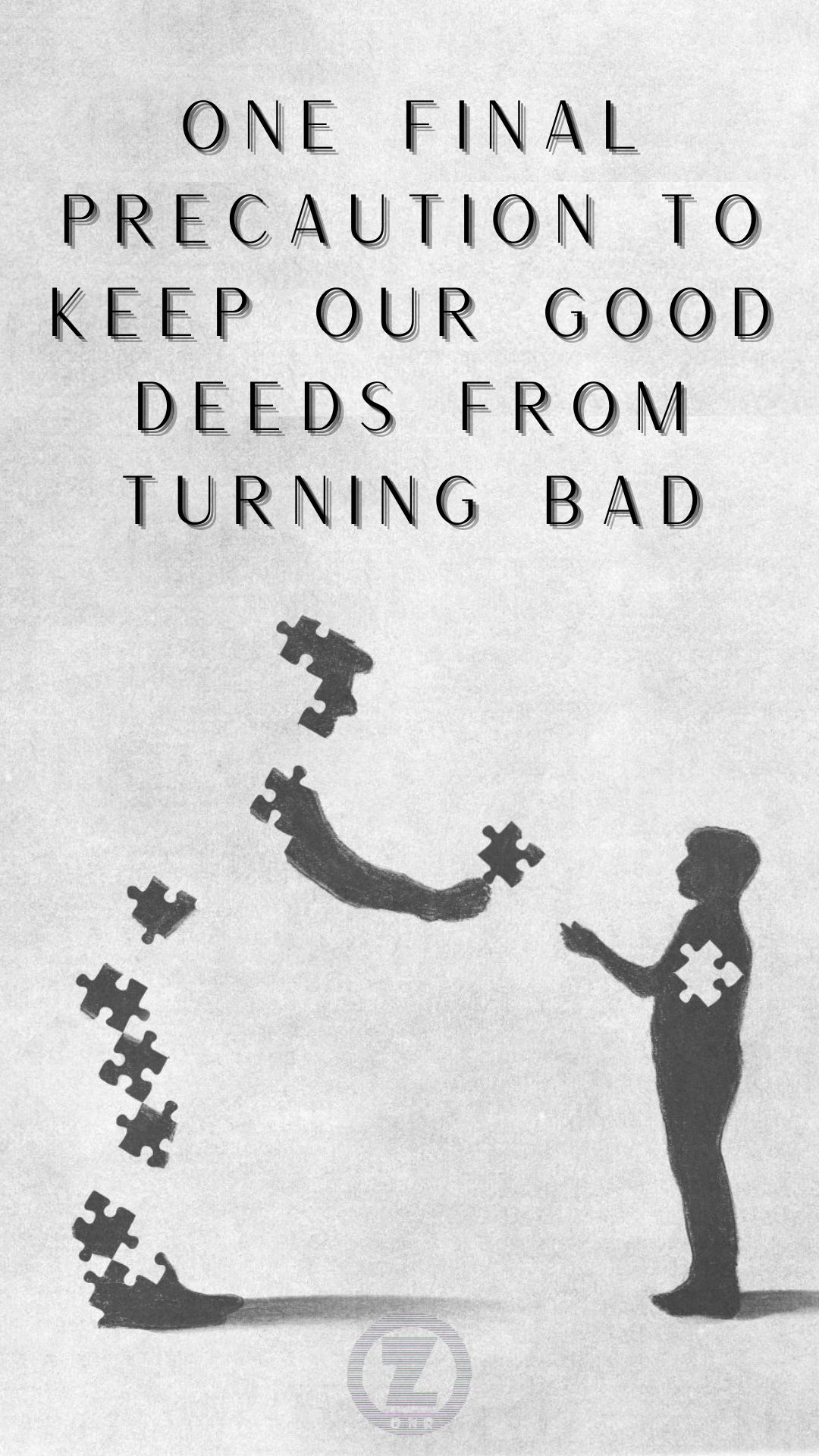
“He who merely knows right principles is not equal to him who loves them.” – Confucius (551 BC – 479 BC), Chinese philosopher/teacher
~~~
When have you taken less than you needed and felt good about that decision lately?
– Sign up to Zonr TODAY to share your own experience, strength, and hope.
OR
When you help someone, do you do it to be nice or just to look good to others?
~~~
PRIDE (In The Name of Love) U2
Khalil Gibran’s Meditation on Love (4:27)
Analysis: The Ego and the Ruinous Coin
The ego often masks our deep fears. Twelve Steps and Twelve Traditions calls this a ruinous coin. We strive for status to hide our smallness. This behavior creates a wall of loneliness. The Basic Text warns that self-will leads to isolation. Manipulation replaces honest connection when we fear being wrong. We must watch our motives during service.
Spirituality requires us to drop the mask. The Creator offers a path toward true humility. Carl Jung noted that we often hide behind a persona (Jung, 1953). This false front separates us from the Great Mystery. Peace comes when we serve without seeking praise. The Red Road to Wellbriety teaches us about the circle. “The ego wants to be the center” (White Bison, 2002, p. 144). Instead, we should belong to the whole.
Khalil Gibran explores the tension of giving and taking. True generosity requires more than just material gifts. It demands our presence and our vulnerability. We must accept help when we need it most. Refusing help often signals a hidden arrogance. Our Higher Power helps us thrive. This connection sustains our recovery journey.
References
Jung, C. G. (1953). Two Essays on Analytical Psychology. Pantheon Books.
White Bison. (2002). The Red Road to Wellbriety. White Bison, Inc.
Traducción al Español
Citas, Títulos y Referencias
UNA ÚLTIMA PRECAUCIÓN PARA EVITAR QUE NUESTRAS BUENAS ACCIONES SE VUELVAN MALAS – PASO 12
TRATA DE MANTENER EL EGO BAJO CONTROL –
“La voluntad propia todavía nos lleva a tomar decisiones basadas en la manipulación, el ego, la lujuria o el falso orgullo. No nos gusta estar equivocados. Nuestros egos nos dicen que podemos hacerlo por nuestra cuenta, pero la soledad y la paranoia regresan rápidamente.” (El Texto Básico, p. 80)
PARA PREVENIR EL OTRO LADO DEL FALSO ORGULLO –
“Así que el falso orgullo se convirtió en el lado opuesto de esa moneda ruinosa marcada como ‘Miedo’. Simplemente teníamos que ser personas número uno para cubrir nuestras inferioridades profundamente arraigadas.” “Pero hoy… ya no buscamos fama y honor para ser elogiados.” (12 y 12, p. 123)
FRAGMENTO DE GIBRAN –
“La generosidad es dar más de lo que puedes, y el orgullo es tomar menos de lo que necesitas.”
— Khalil Gibran (1883 – 1931)
Análisis
El ego a menudo enmascara nuestros miedos profundos. Doce Pasos y Doce Tradiciones llama a esto una moneda ruinosa. Nos esforzamos por el estatus para ocultar nuestra pequeñez. Este comportamiento crea un muro de soledad. El Texto Básico advierte que la voluntad propia conduce al aislamiento. La manipulación reemplaza la conexión honesta cuando tememos equivocarnos. Debemos vigilar nuestros motivos durante el servicio.
La espiritualidad requiere que dejemos caer la máscara. El Creador ofrece un camino hacia la verdadera humildad. Carl Jung notó que a menudo nos escondemos detrás de una persona (Jung, 1953). Este frente falso nos separa del Gran Misterio. La paz llega cuando servimos sin buscar elogios. El Camino Rojo hacia la Sobriedad nos enseña sobre el círculo. “El ego quiere ser el centro” (White Bison, 2002, p. 144). En cambio, debemos pertenecer al todo.
Khalil Gibran explora la tensión de dar y recibir. La verdadera generosidad requiere más que simples regalos materiales. Exige nuestra presencia y nuestra vulnerabilidad. Debemos aceptar ayuda cuando más la necesitamos. Rechazar la ayuda a menudo señala una arrogancia oculta. Nuestro Poder Superior nos ayuda a prosperar. Esta conexión sostiene nuestro viaje de recuperación.
Pregunta Concluyente
¿Cuando ayudas a alguien, lo haces para ser amable o solo para quedar bien ante los demás?


Leave a Reply